Table of Content
Again, plantar fasciitis can lead to a complete plantar fascia tear if you ignore the signs. A moon boot, otherwise known as a Controlled Ankle Motion boot is an orthopedic boot for treating and stabilizing sprains, fractures, and tears in the ankle or foot. It can be used to immobilize the feet after a plantar plate tear to allow healing. Unlike casts, Moon Boots can be adjusted, reused, and even removed.

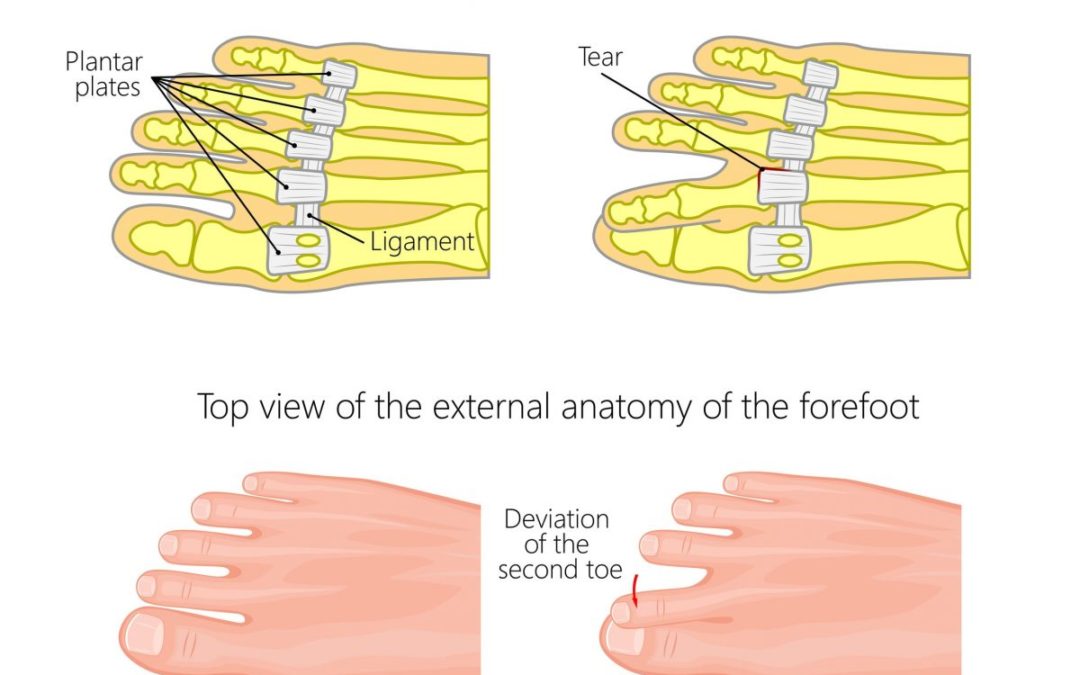
The plantar plate is a thick ligament that connects the ball of your foot to each toe, adding some much-needed protection to the muscle-free metatarsophalangeal joints. This plate controls how and where your toes move as you walk, run, and spread, clench, or wiggle your toes. Many patients often just want a quick fix and will opt for an injection into the joint when the tissue is irritated.
Plantar Plate Tear Causes and Symptoms
Resting the injured area is particularly important in both acute and chronic cases. A physician is also likely to recommend either wearing a boot or taping and/or padding the injured area. This is in order to provide additional strength and support for injured tissues. A doctor may also prescribe non-invasive treatments such as EPAT .

There can be swelling present and tenderness is typically underneath the joint. If there is a significant deformity then a possible complete rupture should be considered. A special test called the modified Lachman’s test can be performed by your practitioner to test the plantar plate integrity. The most common site is a tear of the second metatarsal phalangeal joint plantar plate.
What Causes a Plantar Plate to Tear?
When there is repetitive overloading of the head of the metatarsal, a plantar plate injury can occur. The exterior bump just beneath the toes is called the ball of the foot. On each foot inside the bump, you can find disc-shaped fibrous ligaments called plantar plates. Each of a person’s 10 toes has a corresponding plantar plate.

Correct diagnosis and treatment are essential to managing forefoot pain. Some people even experience a feeling as if they’re walking on the bones of the foot. In addition to this, it’s often noted that the foot has a “V” sign between the toes. This means that two toes have further separated from one another than what is normal for the average person due to the tear. Along with foot massage, toe push ups, lesser toe flexion exercises, calf raises and balance exercises can help improve speed unhealthy following injury.
Causes and Risk Factors of Plantar Plate Tears
Plantar plate tears continue to baffle podiatrists, as there aren’t always “textbook” symptoms accompanying the condition. There’s also plenty of overlap between plantar plate tear symptoms and other common foot conditions, like neuroma or bunions. Foot and ankle conditions, including plantar plate repairs and all surgeries performed by the skilled Weil podiatrists. Let our expert team take care of you and get you back to the activities that you love.
There are various surgical techniques that can be performed to repair the plantar plate tear, correct the toe deformity, and relieve pain. Your surgeon will explain your options and recommend a treatment plan based on the severity of the injury and your goals. The answer is yes, if you follow a long term plan, tape your toes, and reduce the weight from the ball of the foot region.
The recommended treatment for a plantar plate injury typically depends upon the severity of the injury. Athletes and runners should have their feet evaluated by a specialist to see if they are putting additional load on the forefoot. If so, custom orthotics can help prevent many issues that they may encounter, including plantar plate tears.
Shoes work much like orthotics; they distribute weight towards the arch of the foot and away from the area of the injuries plantar plate. Strapping and taping the foot can reduce pain and provide stability to the injured toe, keeping it in the right direction. Shoes with stiff soles can also provide good support to the foot while walking or running. After receiving a plantar plate tear diagnosis, both you and your podiatrist will likely want to begin a treatment plan immediately. Not surprisingly, treatment depends on the severity of your condition and how much it’s impacting your daily life.
This taping aligns the affected toe into a downward position, while also correcting any abnormal sideways drifting. This allows the ligament to heal without facing continued strain. In early stages of ligament disruption, diagnosis may be obtained via a combination of clinical evaluation and imaging. Your doctor may perform a Lachman test to evaluate the integrity of the plantar plate.

Your doctor will most likely prescribe a nonsurgical treatment option for your condition, such as a walking boot. The first treatment option should include the use of an ice pack on the injured area to decrease inflammation. A steroid injection may also be recommended for this type of injury but should be warded off until absolutely necessary as cortisone can break down ligament integrity.


No comments:
Post a Comment